Rio de Janeiro – Iguassu Falls – Buenos Aires
Lima – Cusco – Sacred Valley – Machu Picchu
Tour: May 17 – May 29, 2027
From: $6,995 + Airline Tax
Inclusive of international airfares
Brazil visa fee may apply.



Check in at LAX for your flight to Rio de Janeiro, Brazil.
Arrive in Rio de Janeiro and check in at the luxurious Sheraton Grand Rio Hotel & Resort – the most elegant resort in Rio – located right on the beach. The resort features a private beach exclusive for its guests, and all rooms reserved by AV Travel offer stunning sea views
Rio de Janeiro was once the capital of Brazil for nearly 200 years and a former Portuguese colony. The city is now one of South America’s largest metropolitan areas with over 10 million residents. The name “Rio de Janeiro” dates back to January 1501, when a Portuguese expedition mistakenly believed Guanabara Bay was the mouth of a big river. The captain named the new land “Rio de Janeiro,” meaning “January River.” Locals lovingly refer to it as simply “Rio.” Located on the Atlantic coast, the city has been greatly blessed by nature. When one mentions Rio, people immediately think of the Carnaval festivals filled with wild, passionate Samba dances.
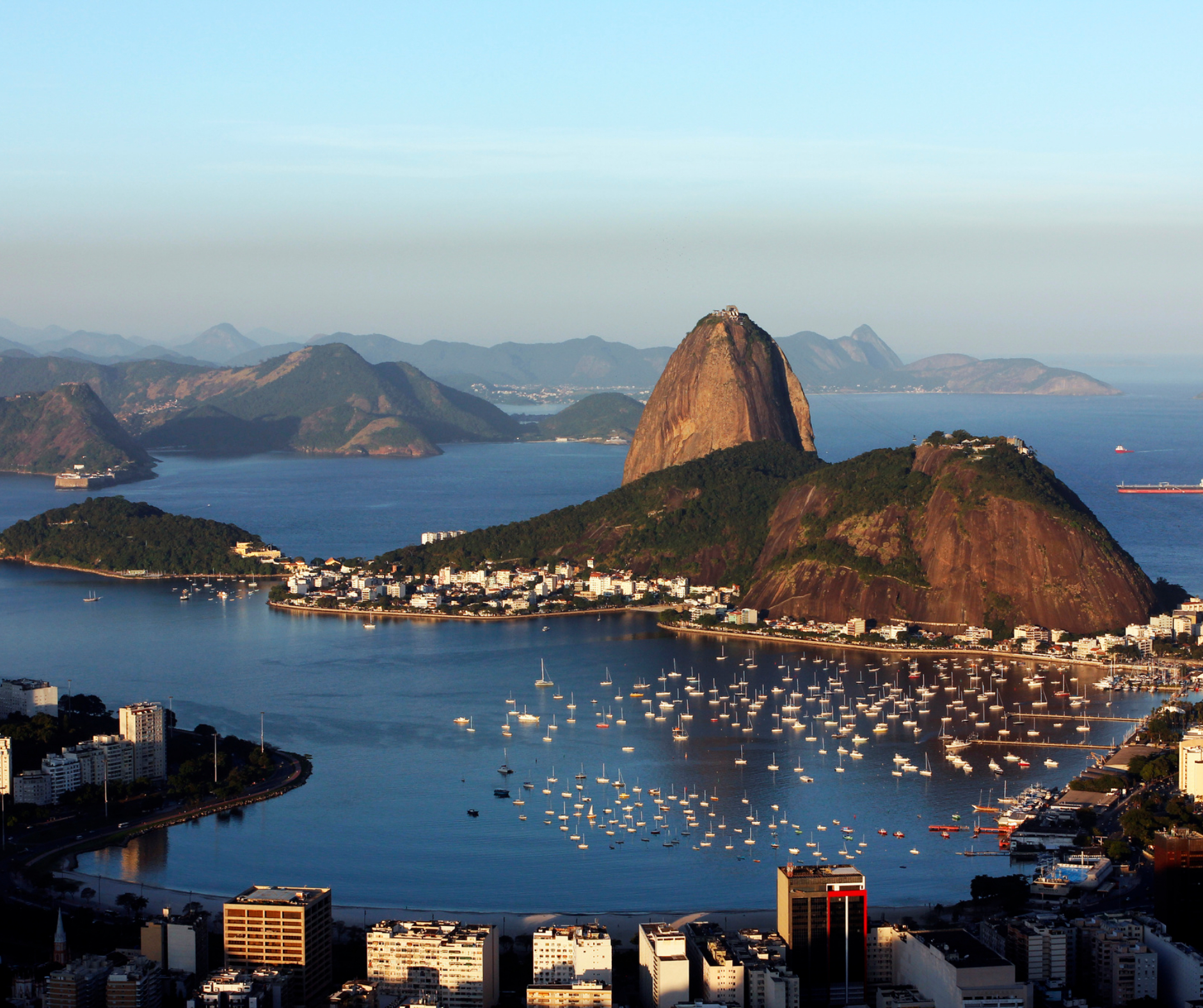
In the afternoon, join a city tour around Rio: Walk along the cobblestone streets in old Rio, see the National Library, the Candelaria Church, and step inside the Metropolitan Cathedral. Take a cable car up Sugarloaf Mountain to enjoy the sunset and admire a panoramic view of the city as it glows in the evening light.
Dinner will be a buffet featuring a variety of South American beef (famous Brazilian and Argentine cuts) at a beautiful, well-known restaurant located right by the beach. (L/D)
Drive to the Cosme Velho district where you take cogwheel train up to the Corcovado Mountain. Along the way, appreciate the lush rainforest and the views.
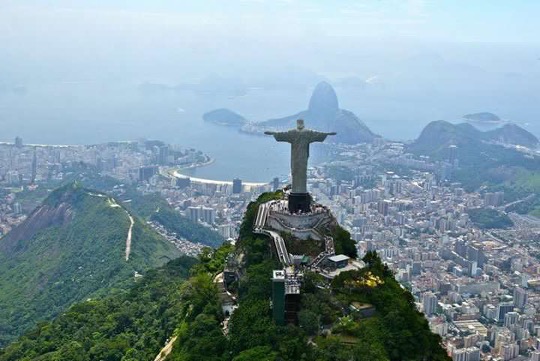
When you arrive at the top, admire the well-known Christ the Redeemer statue, one of the New Seven Wonders of the World. From its peak, you’ll see a marble formation at the entrance to Guanabara Bay. Surrounded by blue seas and lush green mountains, the towering statue of Christ the Redeemer stands out as a symbol of Rio. Just like the Statue of Liberty in New York or the Eiffel Tower in Paris, Christ the Redeemer is the most iconic and visited tourist site in Brazil.
At 730 meters tall, Corcovado Mountain provides a majestic base for this architectural and cultural icon, built in 1927 to celebrate the 100th anniversary of Brazil’s independence. The statue is 38 meters tall, 30 meters wide, and its pedestal alone is 9.5 meters high. The head of the statue weighs over 9 tons. Christ the Redeemer is one of the greatest sculptural masterpieces ever created. In 2007, it was officially recognized as one of the New Seven Wonders of the World.
What’s remarkable is that no matter where you go in Rio de Janeiro, you can simply look up and see the statue of Christ with open arms – as if to welcome and bless the entire city. In a country where 95% of the population is Christian, this statue has become a profound symbol of faith. (B/D)
A free day to enjoy the beach, go shopping, and explore local tropical fruits beloved by Vietnamese and other Asians such as soursop (mãng cầu/na), langsat (bòn bon), sapodilla (sapoche), and many other exotic fruits.
In the evening, enjoy the famous ROXY Dinner Show – a lively performance of Samba dances that captures the vibrant history of Brazil and its former capital Rio, from its founding to the present day. Roxy Dinner Show is one of the ultimate cultural experiences not to be missed in Brazil. Located in the vibrant Copacabana neighborhood, the show has quickly become a new icon of Rio’s entertainment scene. It has received outstanding recognition from international travelers on Tripadvisor, earning the Travellers’ Choice Award, and has also been highlighted by international media such as CNN as one of the most spectacular shows in Latin America.
The charm of the Roxy Dinner Show lies in its perfect fusion of Brazilian cuisine and world-class performing arts. Set inside a beautifully restored historic theater that dates back to Cine Roxy, originally opened in 1938, guests will begin the evening with an exquisite dinner featuring authentic Brazilian flavors before immersing themselves in “Aquele Abraço” – a spectacular artistic journey celebrating the spirit, diversity, and soul of Brazil.
The performance brings together dozens of talented artists wearing more than 350 vibrant costumes, showcasing Brazil’s iconic rhythms and traditions, from samba and bossa nova to the electrifying energy of Carnival. With cutting-edge stage effects, live music, and professional choreography, the show creates an immersive experience where guests do not simply watch a performance but truly feel the heartbeat of Brazilian culture.
With its grand production, artistic excellence, and unforgettable atmosphere, Roxy Dinner Show is often described as the “Las Vegas of Rio” – yet with a distinctive Latin American soul. It offers an elegant and exhilarating evening where gastronomy, music, and dance come together to create a memorable celebration of Brazil. (B/D)
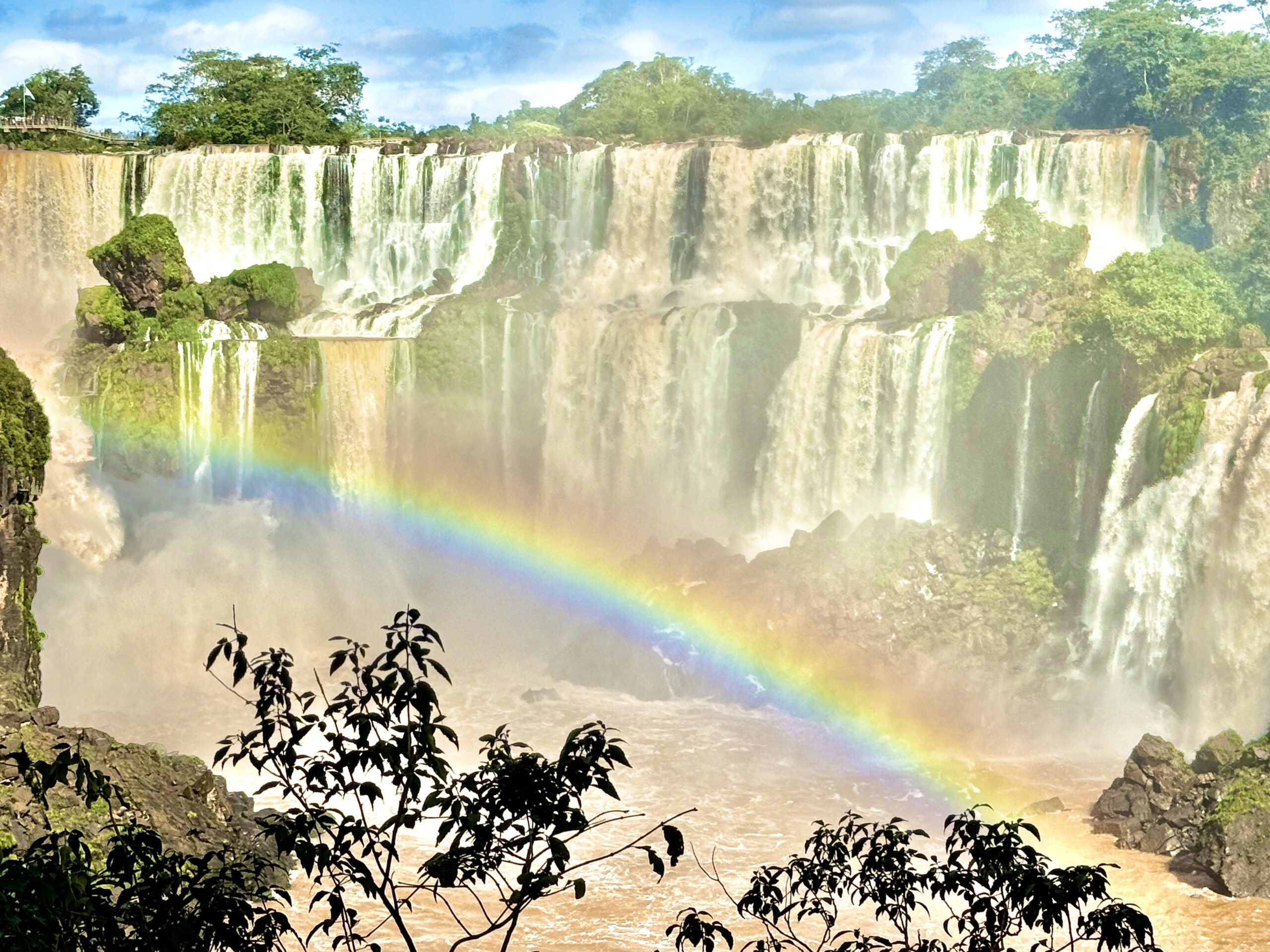
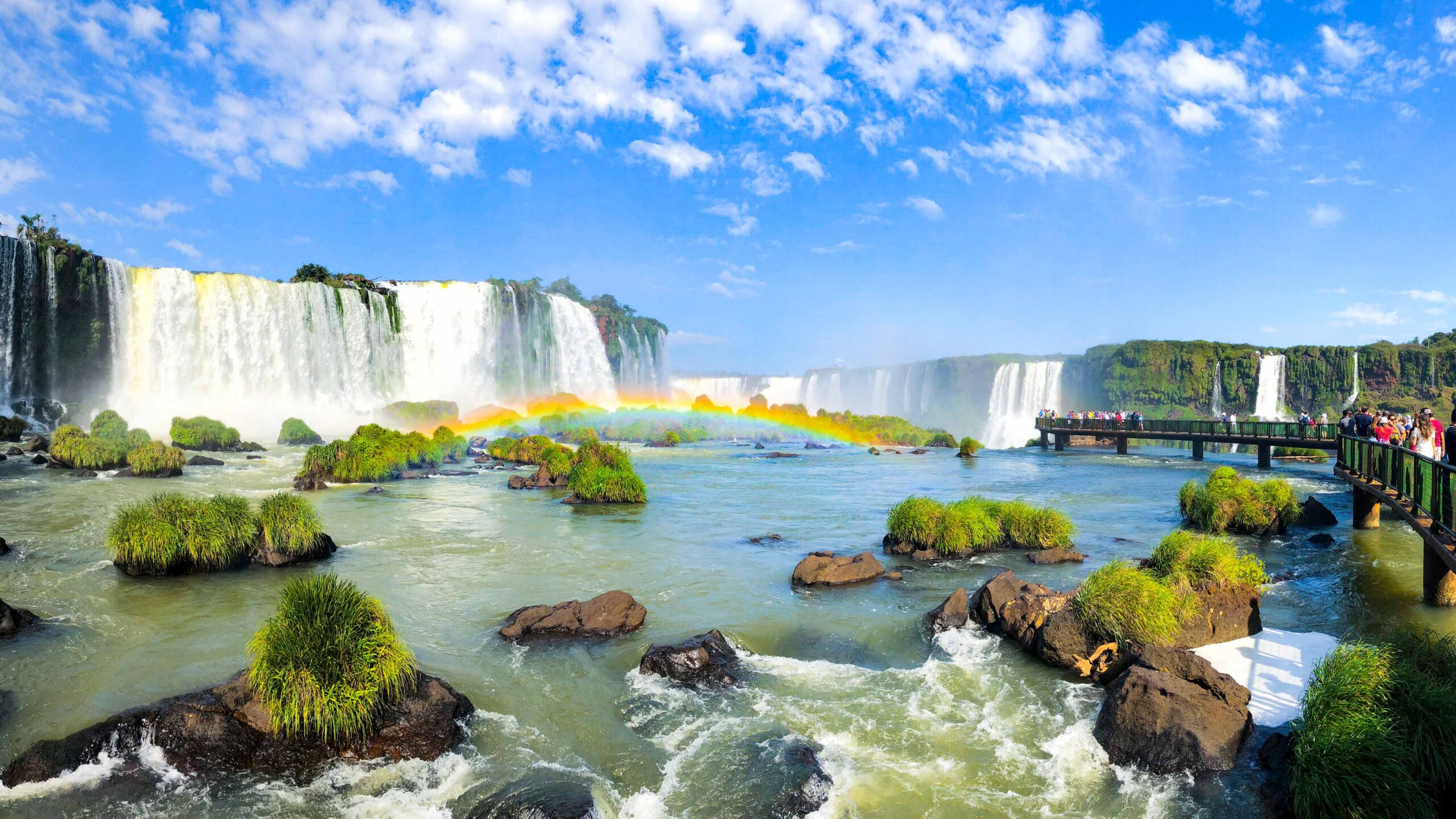
Take a flight to Iguassu Airport and drive to the Iguassu National Park. Visit the world-famous Iguassu Falls.
From the Brazilian side, the majestic cascade drops over a U-shaped cliff 300 meters wide and 700 meters long. This creates a world of white foam and misty spray that extends far into the air – you can still hear the roaring waters from 8 kilometers away.
That thunderous sound is considered the voice of South America, speaking to the heavens and earth. From this vantage point, you’ll see a collection of 270 waterfalls plunging from a height of about 70 meters into the Iguacu River, spreading across nearly 3 kilometers. Looking out at the rising and sinking islets in the midst of the falls, one can’t help but marvel at the boundless harmony of water and mountain. Iguassu is four times larger than Niagara Falls and is considered the largest waterfall system in the world. Since 1986, Iguassu Falls has been listed as a UNESCO World Natural Heritage Site.
“Each waterfall is like a signature of the Creator on this land.”
Overwhelming, majestic, and awe-inspiring, Iguassu Falls has been selected as one of the New Seven Natural Wonders of the World. Straddling the border of Brazil and Argentina, it attracts more than 7 million tourists each year. According to geological history, millions of years ago, as the Earth’s crust shifted and volcanoes erupted, a massive rift formed at this location – eventually giving birth to the magnificent Iguassu Falls.
In English, the name is “Iguassu” (or “Iguazu”); in Portuguese, it’s “Iguaçu.” In the language of the Indigenous people, Iguaçu means “Big Water.” A local legend tells of a beautiful earthly maiden named Naipi, who was loved by a god who wanted to marry her. However, she refused and fled with her lover Taroba in a small boat. Furious, the god struck the river with lightning, splitting it in two and creating the roaring waterfalls we see today. (B/D)
Visit and view Iguassu Falls from the Argentine side.
Two-thirds of the falls belong to Argentina, while one-third lies in Brazil. Although Argentina has a larger portion, the scenery on the Brazilian side is considered more intense and dramatic. Hence, the Brazilian side is called “Garganta do Diabo” – Portuguese for “Devil’s Throat.”
From the Argentine side, you can stand at the top of the falls and stay dry, whereas on the Brazilian side, you may be drenched by the mist.
After a short walk through Iguazu National Park and its lush rainforest, AV Travel will take you on a charming electric train to begin your Argentine-side adventure.
Here, you’ll discover more about the Amazonian tropical forest – emblematic of South America’s mystique.
You’ll also capture fascinating images of rare and exotic animals such as jaguars, pandas, monkeys, crocodiles, tapirs, tree frogs, toucans, hummingbirds, and more.
Equally delightful is the rich flora, with around 2,000 climbing plant species including orchids, ferns, and medicinal herbs. (B/D)
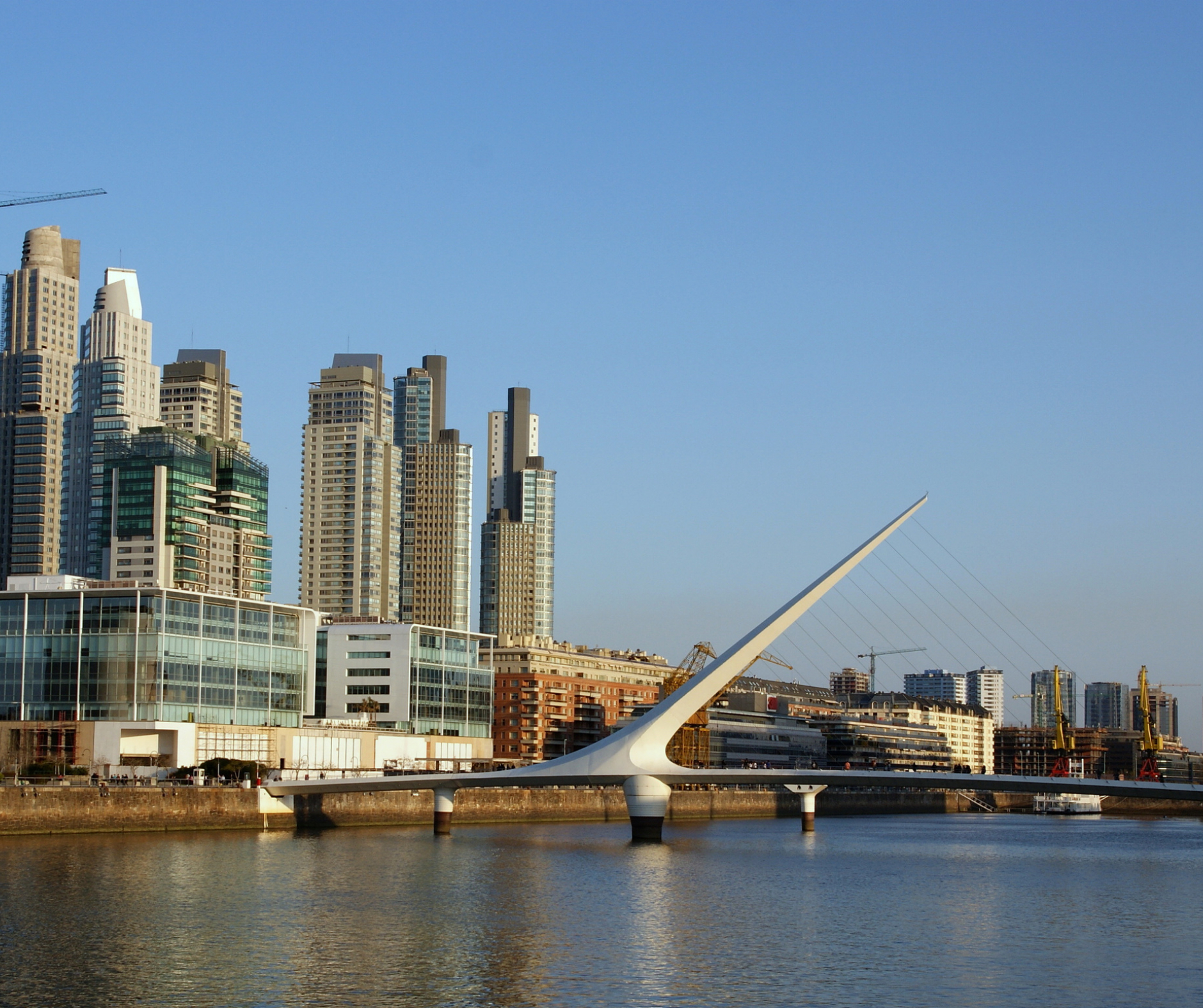
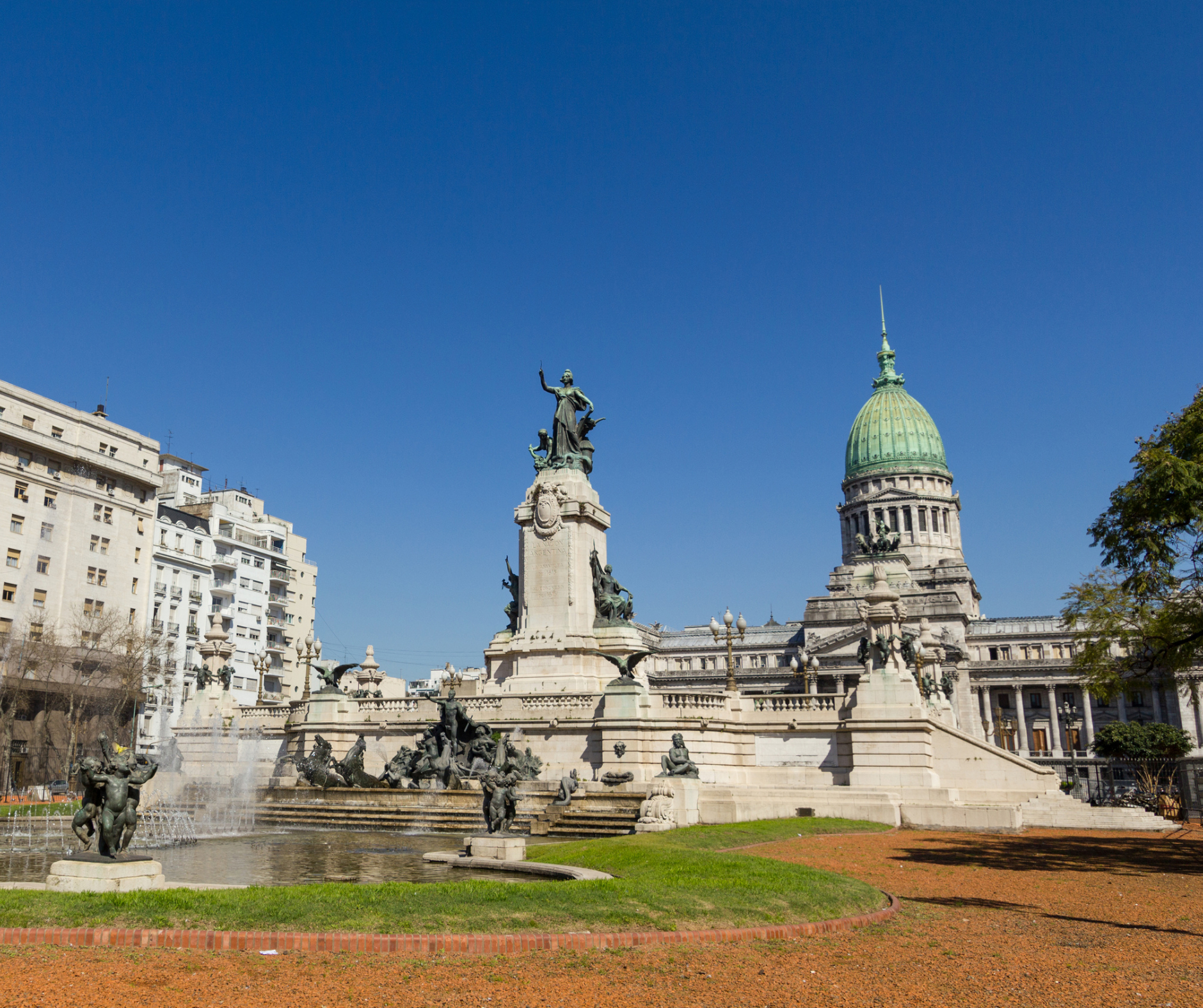
Fly from Iguassu to Buenos Aires – the homeland of tango.
Buenos Aires’s name originated from “Nuestra Señora Santa Maria del Buen Ayre,” referring to a saint who was believed to protect sailors. For over 400 years – from the 16th century through World War II – Buenos Aires remained a haven for European immigrants. When the first Spanish settlers arrived, they noticed the Indigenous people wore silver jewelry. They named the land Argentina, meaning “Land of Silver.” Founded in 1536, Buenos Aires officially became Argentina’s capital in 1880.
Speaking of Buenos Aires means speaking of tango – the passionate, enchanting dance born here more than 120 years ago. Tango remains captivating with its sensual rhythm and expressive movements. You’ll see dancers performing everywhere – from elegant theaters to lively cafés.
On every street corner, couples perform romantic street tango.
According to Cyberpresse, after Venice and Paris, Buenos Aires ranks among the world’s top 10 romantic cities, often visited by lovers. Traveler’s Digest ranked Buenos Aires as the second city with the most beautiful people in the world (after Stockholm).
Many Argentine women are top models, known for their Italian elegance, Spanish passion, and South American charm.
In the evening, AV Travel invites you to join a tango class led by professional dance instructors, followed by a dinner party and an exciting Tango performance – a UNESCO-recognized cultural heritage. (B/D)
Visit the Recoleta neighborhood to place a flower and pay tribute to Evita Perón – wife of President Perón and Argentina’s most iconic woman, immortalized in the famous song “Don’t Cry for Me, Argentina.”
Explore La Boca, a famous district of Buenos Aires, home to the La Bombonera stadium – known as the “volcano” for its electric atmosphere during football matches. In Argentina, football isn’t just a sport; it’s a religion.
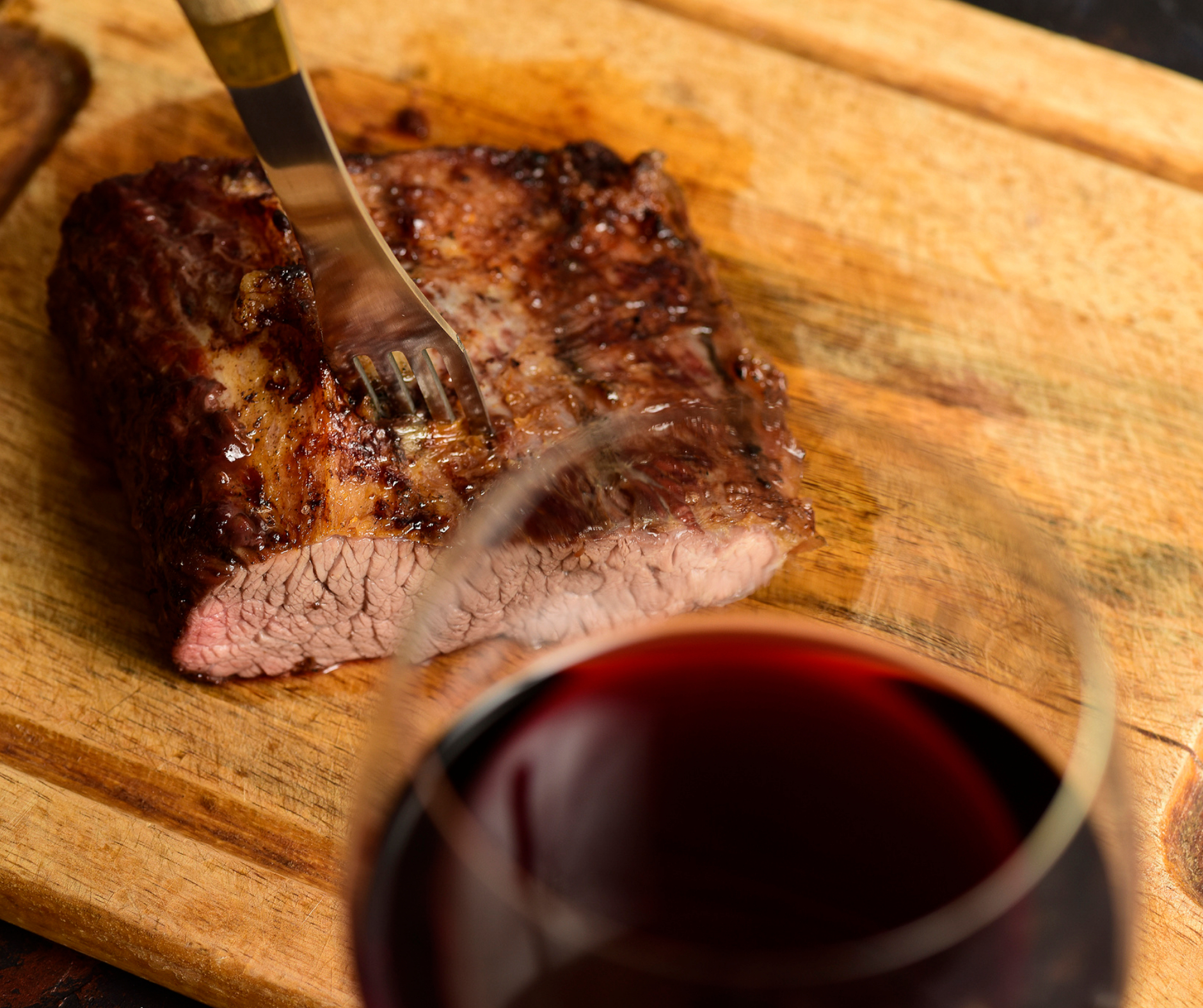
As for cuisine, don’t miss Argentina’s world-renowned grilled beef with potatoes and salad. Argentina, and especially Buenos Aires, has long been famous for its grilled beef – similar to barbecue style. Argentine beef is ranked among the best in the world, with average annual consumption per person reaching 70 kg (over 150 lbs), compared to only 35 kg in the U.S.!
And no Argentine beef meal is complete without a glass of Malbec red wine – Argentina’s national wine.
Argentina ranks 5th in the world for wine exports. (B)
Take a flight from Buenos Aires to Lima, then continue on to Cusco.
Cusco, the ancient capital of the Inca Empire, was declared a UNESCO World Cultural Heritage Site in 1983.
From the 13th century until the year 1532, Cusco was the capital of the powerful Inca Empire during the pre-Columbian era.
In the 16th century, when Spanish conquistadors arrived in Peru, they attempted to destroy many of the Inca settlements, known as Llacta, and built numerous churches in their place featuring distinctive Baroque architecture. (B/D)
Visit Ollantaytambo, the site of the Temple of the Sun and an ancient city of the Quechua people.
Here, travelers feel as though they’ve stepped back into the golden age of the Inca Dynasty, surrounded by sacred relics from the Spanish colonial era.
Many visitors describe it as a journey into the pre-Inca past, evoking the spirit of ancient civilizations.
Continue to Pisac Market, a vibrant local marketplace where visitors can find a wide range of souvenirs, especially the colorful ponchos. These beautifully woven garments are a favorite among ladies, who often delight in donning them for impromptu “fashion shows” while taking photos and videos. (B/D)
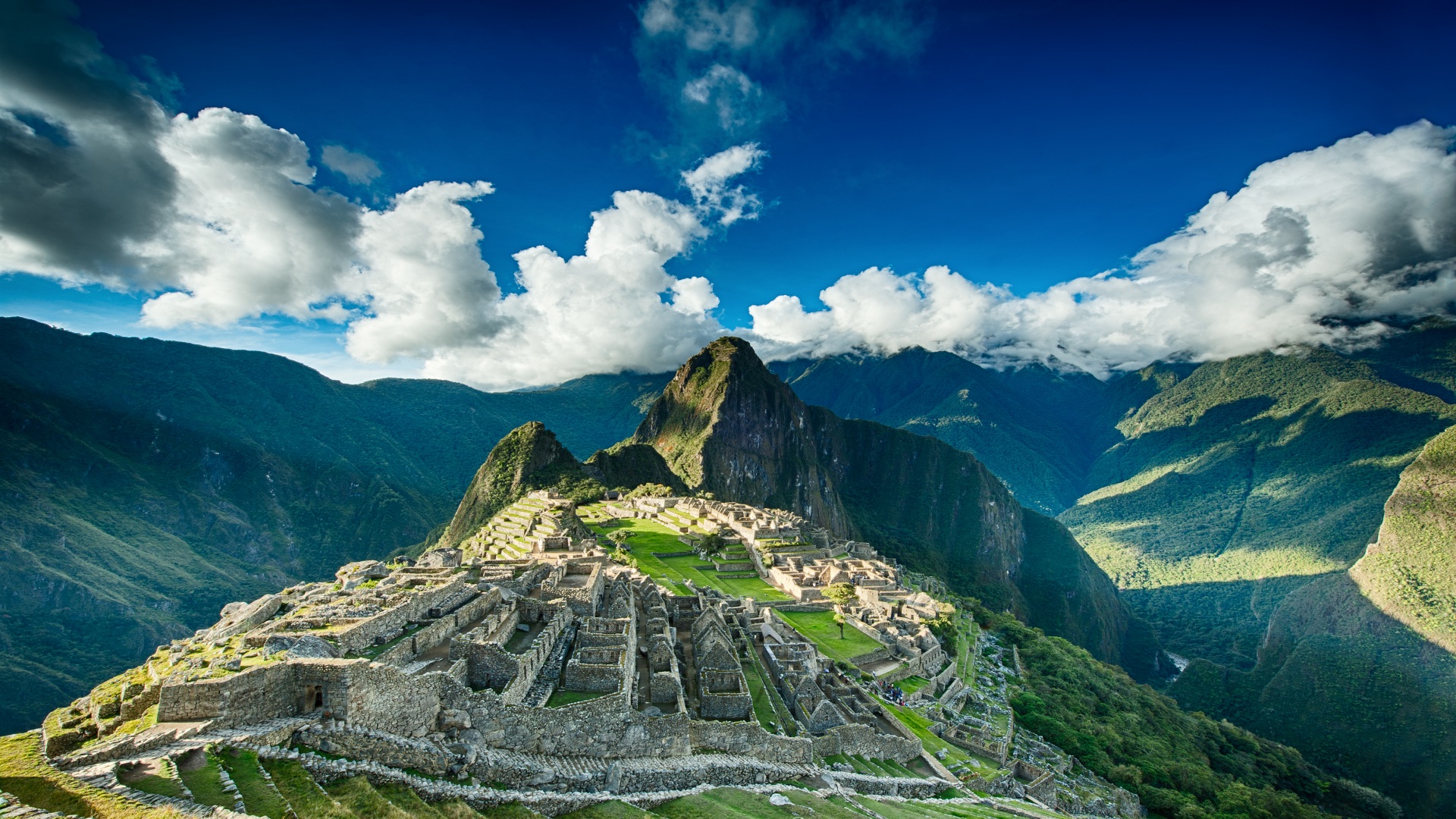
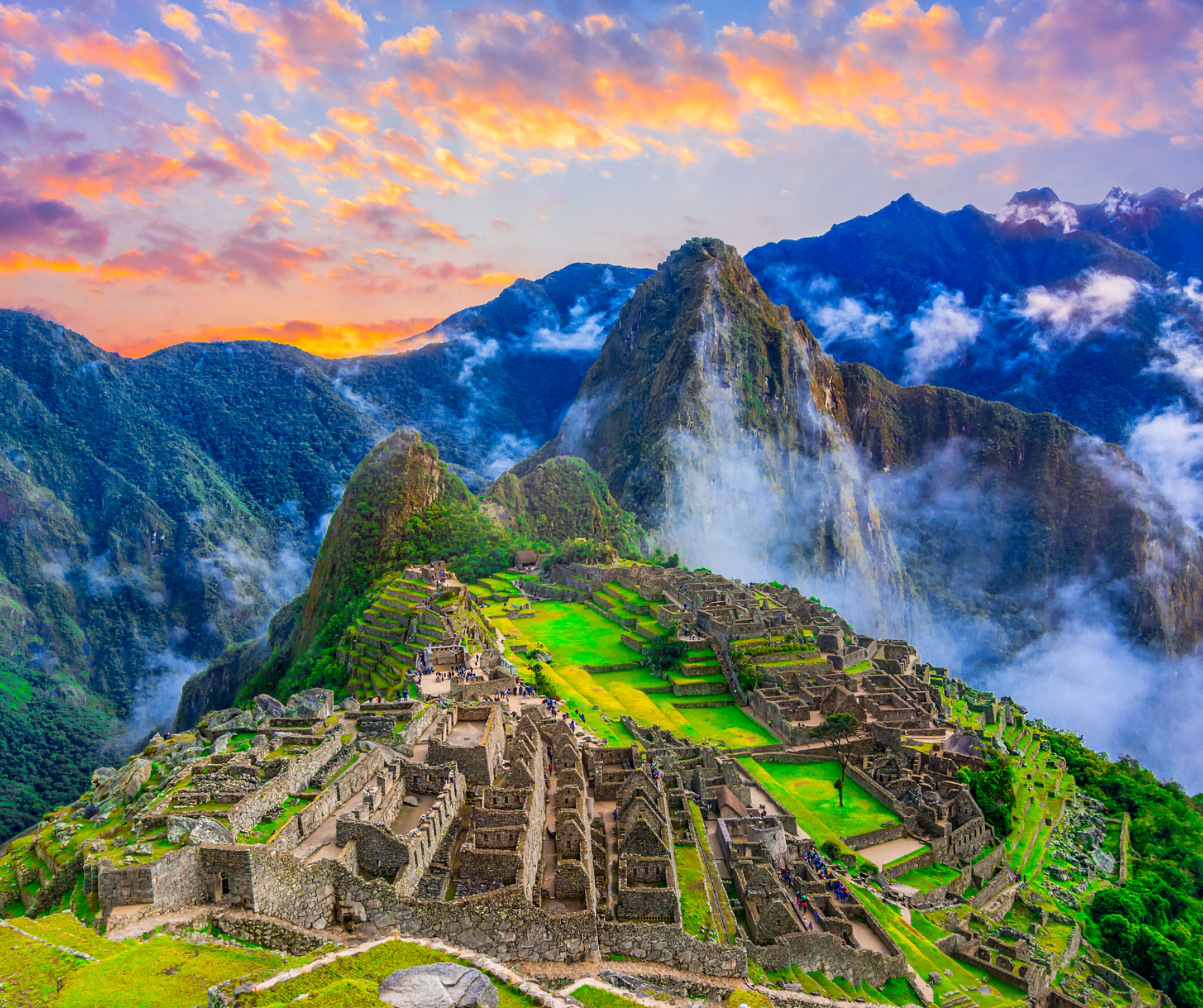
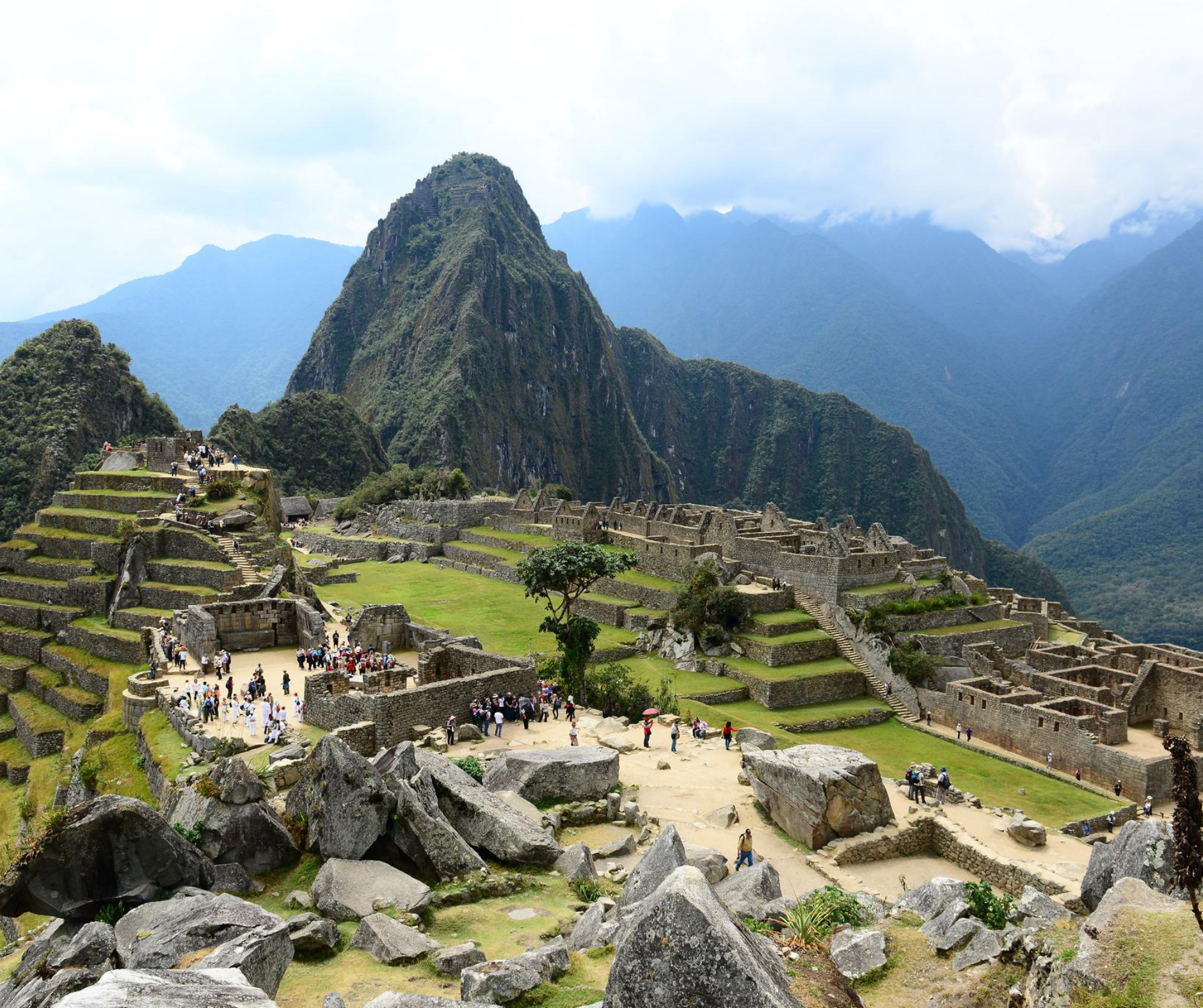
Travel to Aguas Calientes and board the scenic train journey to Machu Picchu, the sacred citadel recognized by the World Travel Awards as South America’s Leading Tourist Attraction in 2010.
In 1983, Machu Picchu was also designated a UNESCO World Cultural Heritage Site. It has been named one of the New Seven Wonders of the World in 2007.
Arriving at Machu Picchu, visitors often feel as though they’ve entered a legendary and mysterious realm. This “Lost City of the Incas” was built in the 15th century and remained unknown to the outside world for more than 300 years until its rediscovery in 1911 by American professor Hiram Bingham and his team during an expedition through Peru. Professor Bingham later published a renowned book titled “Machu Picchu: The Lost City of the Incas”, describing the site as a pre-Columbian Inca ruin and a symbol of a lost civilization of the Indigenous peoples of South America.
To this day, archaeologists are still puzzled by many aspects of Inca construction.
The Incas left behind no written documentation of how they built these structures. Even their form of communication, known as Khipus (a complex system of knotted strings), remains an unsolved mystery. How did the Incas manage to transport massive stones weighing several tons up to this mountain-top sanctuary at an elevation of 7,000 feet?
Perhaps, during this South American journey with AV Travel, you will be the one to uncover the answers among the countless enigmas of Machu Picchu. (B/D)
Depart Urubamba and return to Cusco – the UNESCO-listed ancient capital of the Inca Empire. From the 13th century to 1532, Cusco was the political, cultural, and spiritual center of the Inca world. When the Spanish arrived in the 16th century, they deliberately destroyed many Inca Llactas (settlements) and erected Baroque churches in their place.
In the afternoon, transfer to the airport for your flight from Cusco to Lima and then onward to Los Angeles. (B/L)
Arrive back in the United States in the morning. Welcome home!
The following terms apply to all AV Travel tour reservations. By making a reservation or submitting payment, travelers acknowledge that they have read and agree to AV Travel’s full Terms & Conditions.
Tour Itinerary & Pricing
Deposit & Payment Policy
Cancellation Policy
Tour Price Exclusions
The published tour fare does not include the following items:
Travel Documents
Travel Insurance
Travel Risk Acknowledgment
*For complete Terms & Conditions, including cancellation policies, supplier responsibilities, and liability limitations, please refer to AV Travel’s official Terms & Conditions. https://avtravel.com/about-us-1/